Jamaican Food Dishes You’ll Want to Cook Again and Again
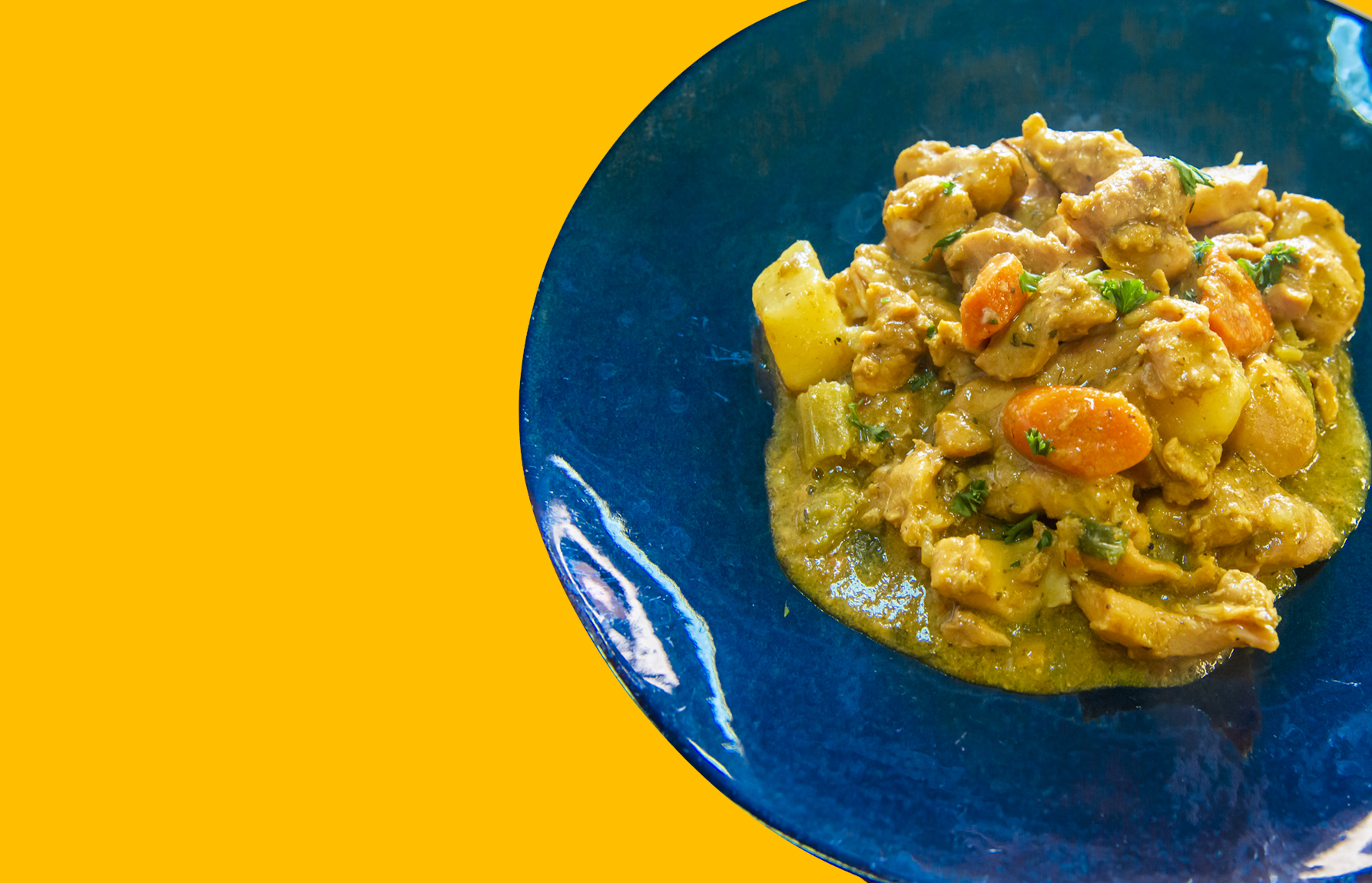
There are cuisines you admire from a distance, and there are cuisines that pull you into the kitchen. Jamaican food belongs firmly in the second camp. It is bold without being fussy, layered without requiring restaurant equipment, and deeply satisfying in a way that makes leftovers feel like a small luxury. Once you learn a few core techniques, you start to see how often the same building blocks show up: scallion, thyme, allspice, Scotch bonnet, ginger, garlic, coconut milk, browning, and a good squeeze of lime.
What makes these dishes so repeatable is not just flavor, although flavor does plenty of the work. It is the balance between payoff and effort. A pot of curry goat asks for patience, but the process itself is simple. Rice and peas can sit beside almost anything. Escovitch fish feels celebratory, yet the pickled vegetables keep beautifully and brighten the plate long after dinner. Even the dishes that look dramatic tend to be grounded in sensible home cooking.
If you cook often, you start valuing recipes that earn a permanent place in your rotation. Jamaican food offers exactly that kind of repertoire. These are not one-time projects designed only for special occasions. They are practical, generous dishes that improve your instincts as a cook. They teach seasoning, timing, heat control, and restraint. They also teach confidence, because once you get them right once, you will want to make them again before the memory of the last plate has faded.
What gives Jamaican cooking its unmistakable character
The first thing many people notice is intensity, but Jamaican food is not simply about making everything hotter or heavier. Its best dishes rely on contrast. You get fire https://keeganywjd946.huicopper.com/the-cultural-roots-of-jamaican-food-and-its-global-appeal from Scotch bonnet, sweetness from onions or browned sugar, earthiness from allspice, freshness from thyme, and richness from coconut milk or slow-cooked meat. When those elements are in proportion, the food tastes complete.
Seasoning matters long before heat hits the pan. A proper marinade, whether for jerk chicken or curry goat, does more than coat the outside. It starts softening, perfuming, and shaping the entire dish. That is one reason home cooks return to Jamaican recipes so often. They reward a little planning. Marinate in the morning, cook in the evening, and dinner tastes as though you did far more than you actually did.
Texture matters too. Fried plantains should have caramelized edges and a creamy center. Festival should be lightly crisp outside and tender within. Ackee should stay soft and distinct, never mashed into a scramble. These details are what separate decent results from the kind of plate that sends people back for seconds before the first serving is finished.
Jerk chicken, the dish that teaches you almost everything
If someone wants to understand Jamaican food through a single recipe, I usually point them toward jerk chicken. It delivers smoke, heat, sweetness, herbaceous depth, and enough variability to keep it interesting for years. It also teaches an important lesson: jerk is not just a spice blend shaken from a jar. It is a style of seasoning and cooking with history, and its flavor depends on more than capsaicin.
A strong jerk marinade typically includes scallions, thyme, garlic, ginger, allspice, Scotch bonnet, soy sauce, and often a little brown sugar. Some cooks add cinnamon or nutmeg. Others lean harder on black pepper. There is room for preference, but allspice and thyme are non-negotiable if you want the flavor profile to read clearly.
The biggest mistake I see with homemade jerk chicken is under-seasoning the meat itself. A chicken thigh can handle far more marinade than many people think. The second common mistake is using boneless breast meat and then wondering why the result tastes dry and one-dimensional. Bone-in thighs or leg quarters are more forgiving. They absorb flavor well, stay juicy, and stand up better to high heat.
Traditional jerk gets its signature character from smoke, often pimento wood, but home cooks can still achieve an excellent version in an oven or on a standard grill. A grill gives the best contrast between charred edges and moist interior, but the oven works if you finish under the broiler to deepen color. What matters most is letting the marinade penetrate, then cooking until the fat renders and the exterior darkens without burning into bitterness.
Serve it with rice and peas, fried plantains, or a crisp slaw, and you have a meal that feels festive even on a Tuesday. Once you understand jerk chicken, you also have a blueprint for pork, shrimp, and even roasted vegetables.
Curry goat, when patience pays in full
Curry goat is one of those dishes that proves slow cooking is often the most efficient path to great flavor. It does not ask for constant attention. It asks for time, proper seasoning, and the good sense not to rush the simmer.
Goat has a distinct character, deeper than chicken and leaner than many cuts of beef. That means it benefits from both marination and a long, gentle cook. Jamaican curry powder differs from many Indian-style blends in flavor and emphasis, and in Jamaican kitchens it is often “burned” briefly in oil before liquid is added. This quick blooming step matters. It rounds off any raw spice edge and gives the final sauce a fuller, more integrated taste.
A good curry goat should not be soupy. The gravy should cling to the meat and soak into rice. Potatoes are common, but they should support the dish rather than dominate it. Their job is to absorb seasoning and help give the pot body. Too many potatoes and you lose the character of the goat. Too few and you miss that comforting, thickened texture many people love.
There is also a practical reason this dish earns a repeat spot in home kitchens: leftovers are excellent. In fact, the flavor often improves overnight. If you are feeding a family or planning ahead for a busy week, few dishes stretch as gracefully. Reheat it gently, and serve it with fresh rice or even tucked into a warm flatbread if you are improvising lunch from the fridge.
Ackee and saltfish, delicate, savory, and easier than it looks
Ackee and saltfish is Jamaica’s national dish, and it deserves the title. When made well, it is distinctive in flavor and elegant in texture, despite being built from humble ingredients. Salt cod brings salinity and chew, while ackee offers a rich, buttery softness that surprises anyone trying it for the first time.
The key is respect for the ingredients. Saltfish needs to be soaked and simmered enough to remove excess salt, but not cooked to shreds. Ackee, whether fresh or canned, must be handled gently. Stir too aggressively and you lose the soft curds that make the dish so appealing. The goal is to warm and combine, not to mash.
Onion, tomato, scallion, thyme, and Scotch bonnet are common companions here. Some cooks like a little black pepper, others keep it minimal. The balance should remain savory and bright rather than heavily spiced. This is not a dish that needs loudness. Its charm lies in the subtle interplay between briny fish, sweet onion, and creamy ackee.
For breakfast, lunch, or brunch, few plates feel as complete. Pair it with fried dumplings, boiled green banana, roasted breadfruit, or plain toast if you are making a practical weekday version. It is a perfect example of Jamaican food at its most thoughtful. Nothing is wasted, and every element has a purpose.
Rice and peas, the side dish that quietly runs the table
A lot of home cooks treat rice and peas as background. It is not. In Jamaican cooking, it is often the anchor of the meal. A good pot can rescue an average plate, while a bland one drags everything down.
For those unfamiliar with the dish, “peas” usually means kidney beans or gungo peas, depending on region, season, and occasion. The rice cooks with coconut milk, thyme, scallion, garlic, and often a whole Scotch bonnet that perfumes the pot without bursting. That detail matters. Once the pepper splits, the heat can spread quickly and overwhelm the rice.
Texture is the real test. The grains should be separate but tender, not wet, not hard at the center, and not collapsed into mush. Coconut milk adds richness, but too much can make the pot heavy. I find the best versions taste fragrant rather than fatty. They support curry goat, fried fish, stew chicken, or jerk chicken without competing.
Rice and peas is also the dish that teaches proportion. Liquid, heat, bean tenderness, and resting time all affect the result. Once you can make it reliably, weeknight cooking gets easier. You have a side that can carry all sorts of mains, and you gain a stronger feel for stovetop control.
Brown stew chicken, deeply familiar and endlessly useful
If jerk chicken is dramatic, brown stew chicken is dependable in the best possible way. It is the sort of dish that tastes like someone knows how to cook without needing to announce it. The chicken is seasoned, lightly browned, then simmered with onion, tomato, bell pepper, scallion, garlic, thyme, and enough liquid to create a rich gravy.
The “brown” in the name often comes from browning sauce or caramelized sugar, depending on the cook. Used well, it brings depth and color. Used carelessly, it can turn harsh and bitter. This is one of those places where judgment matters more than strict measurement. Start modestly. You can always deepen the color, but rescuing bitterness is harder.
What makes brown stew chicken so repeatable is versatility. It suits family dinner, meal prep, casual guests, and rainy evenings when you want something comforting that does not require a full-day commitment. It also works with ingredients many people already keep around. If you have chicken, aromatics, and a few pantry staples, you are close.
This dish benefits from restraint with liquid. The chicken should stew, not swim. A glossy, concentrated gravy tastes more luxurious than a thin broth, and the difference usually comes down to using just enough water or stock to finish the meat while allowing the sauce to reduce naturally.
Escovitch fish, crisp, sharp, and worth the extra pan
Escovitch fish is one of those dishes that reminds you how much brightness matters in a rich meal. Whole fish, often snapper, is seasoned, fried until crisp, then topped or dressed with a vinegary mixture of onions, carrots, bell peppers, and Scotch bonnet. The contrast between hot, crackling fish and tangy vegetables is what makes it memorable.
This is not the time for timid frying. If the fish is not crisp, the dish loses part of its charm. Drying the fish thoroughly before seasoning helps. So does giving the oil enough time to reach temperature. Crowding the pan almost always causes trouble. You get pale skin, oil absorption, and frustration.
The escovitch vegetables should retain some bite. They are not meant to collapse into softness. A short cook or quick soak in the hot pickling liquid keeps them lively. It is that crunch and acidity that cut through the fried fish and reset your palate between bites.
At home, this dish can feel slightly more involved than stew chicken or rice and peas, but it pays off. It also teaches useful habits about frying, seasoning fish properly, and handling acid with confidence. Once you have made it successfully, it stops feeling like restaurant food and starts feeling entirely doable.
Callaloo, the dish that rewards attention to freshness
Callaloo can be many things: a side, a light main, a breakfast companion, or part of a larger spread. Usually made with leafy greens, onion, scallion, garlic, thyme, tomato, and sometimes okra or salted meat, it captures another side of Jamaican cooking, one rooted in vegetables and quick stovetop judgment.
The challenge is avoiding overcooking. Greens need enough time to soften and mingle with the aromatics, but too much time and the dish turns dull in both color and taste. A little moisture is fine. Waterlogged callaloo is not. You want it silky, savory, and bright.
Callaloo also demonstrates how Jamaican food handles supporting flavors. Scotch bonnet may appear, but often in a restrained way. The point is not always heat. Sometimes the pepper simply lends fragrance. Salted meat, if used, should season the pot rather than dominate it.
This is one of the easiest Jamaican dishes to make regularly because it fits around what else is already happening in the kitchen. Serve it with fried dumplings in the morning, alongside fish at dinner, or next to rice and peas when the meal needs a green element with personality.
Fried plantains and festival, small additions that change the whole plate
Not every repeat favorite has to be the centerpiece. Some of the most beloved parts of Jamaican meals are the supporting players that make a plate feel complete.
Fried ripe plantains are simple in theory and easy to get wrong in practice. They need to be ripe enough to be sweet, but not so far gone that they collapse into the pan. Look for peels that are mostly dark with some structure still left in the fruit. Sliced on the diagonal and fried over medium heat, they should caramelize slowly. If the heat is too high, the sugars scorch before the center softens.
Festival, a lightly sweet fried dough often served with jerk or fried fish, gives a meal contrast and comfort. It is one of those foods that disappears fast from the platter, so make more than you think you need. The texture should be tender, not dense. A heavy hand with flour or overmixing can make it bready rather than light.
Together, these dishes show how Jamaican food understands balance. A hot, smoky chicken thigh beside sweet plantain and a soft piece of festival is not accidental. Each component makes the others more vivid.
The pantry habits that make Jamaican cooking easier
If you want these dishes to become regulars rather than occasional projects, a few ingredients earn permanent shelf or fridge space.
- allspice
- dried or fresh thyme
- scallions
- ginger and garlic
- Scotch bonnet peppers
With those on hand, plus onions, coconut milk, rice, and a decent curry powder, you can improvise far more than you might expect. The real advantage is not just convenience. It is continuity. When the same ingredients appear across different dishes, your palate starts recognizing how they behave. You season more intuitively and waste less.
A few judgment calls that matter more than exact recipes
Recipes help, but Jamaican food often comes alive through feel. The marinade should smell balanced before it touches the meat. The curry should darken and bloom in the oil before liquid goes in. The rice should rest off the heat so the grains finish gently. The fish should sound lively in the pan, not hiss weakly in cooling oil.
These details come from repetition, and that is exactly why the best Jamaican dishes are worth cooking again and again. They sharpen instincts. After a few rounds of jerk chicken, you stop measuring every spoonful of marinade. After a few pots of rice and peas, you can tell by the look of the steam whether the heat needs dropping. That kind of confidence is hard to get from recipes alone.
It also helps to know where flexibility works and where it does not. You can swap chicken cuts in brown stew chicken and still get a fine result. You cannot leave out thyme and expect the same profile. You can moderate Scotch bonnet heat by using less or keeping peppers whole. You cannot replace allspice with generic mixed spice and call it a close match. The dishes are adaptable, but they do have a backbone.
The meals that tend to stay in rotation
Some recipes make a strong first impression, then fade because they are too finicky for normal life. These are the Jamaican dishes that usually survive the real test, which is whether you still want to cook them on an ordinary week.
- jerk chicken
- brown stew chicken
- rice and peas
- ackee and saltfish
- curry goat
That list covers different moods and skill levels, but they all share one trait: they repay familiarity. The first time, you follow a recipe carefully. The third time, you start making smart adjustments. By the fifth, the dish feels like yours.
There is something deeply practical about that. Good home cooking is not only about expanding your range. It is about building a reliable set of dishes that people genuinely want to eat. Jamaican food does that with unusual generosity. It offers intensity without unnecessary complication, tradition without rigidity, and meals that taste just as good at the family table as they do at a celebration.
Once these dishes enter your kitchen, they tend to stay there. Not because they are trendy, but because they work. They satisfy, they teach, and they hold up to repetition, which may be the highest praise any recipe can earn.
Reggae Pot Jamaican Grill
2243 S Monaco St Pkwy #104
Denver, CO 80222
+1 720-410-2956
FAQ About jamaican food
What is the best Jamaican food to try in Denver?
The best choice depends on your tastes. Popular options include jerk chicken, curry goat, slow-cooked oxtail, and savory patties. Reggae Pot lists these dishes on its menu, with sides such as rice and peas and plantains. Ask the Denver team about current availability and spice levels.
Is Jamaican food very spicy in Denver?
Heat varies by dish and preparation. Jerk seasoning often includes scotch bonnet peppers alongside herbs and allspice, while other dishes may have gentler seasoning. Ask about the heat of the specific dish and any sauce before ordering.
What are some popular Jamaican snacks?
Jamaican patties are a popular snack made with flaky pastry and savory meat or vegetable fillings. Other options include fried dumplings and festival, a sweet fried dough often served with savory dishes. Availability varies, so check the current menu when ordering.